 STEAM in Saudi

Engineering
Balloon-Powered Car
A simple hands-on project where students build cars powered by balloon air pressure.
16 guided builds that turn STEAM ideas into working prototypes — each one filmed so students can follow along. Filter by level or by discipline, then tap a thumbnail to watch.
A simple hands-on project where students build cars powered by balloon air pressure.
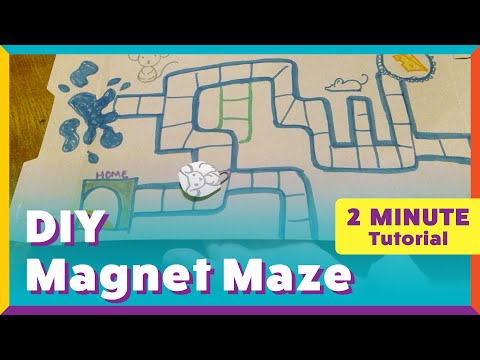
Kids create a maze game using magnets to guide a metal paper clip through paths under a cardboard board.

A fun and simple STEM project where kids create a robotic hand using paper, string, and straws to learn how tendons and muscles work.

Designed by middle school students, this portable kit demonstrates simple filtration techniques using locally sourced materials.
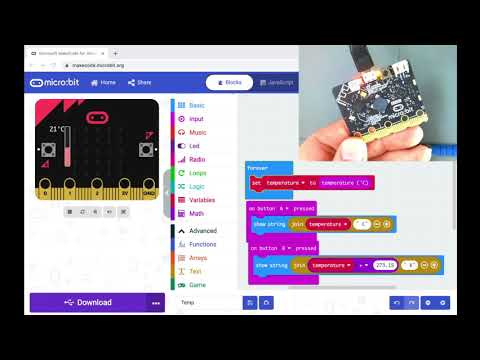
Students use the built-in temperature sensor in the BBC micro:bit to write simple code and display temperature readings.
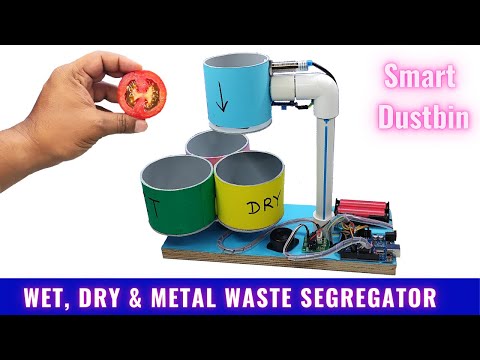
A student-led project that uses sensors and microcontrollers to detect and sort different materials.

Students create a soil moisture sensor that helps track and notify when plants need water.
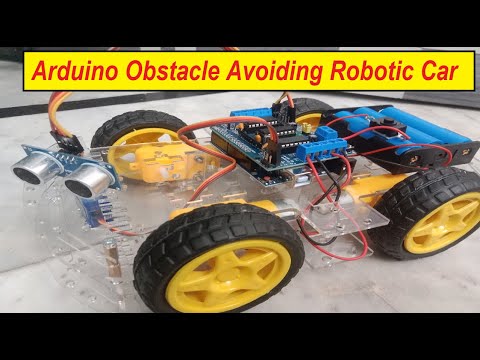
This DIY autonomous robot car uses Arduino and ultrasonic sensors to detect and avoid obstacles in its path.

Students design a protective device from everyday materials so a raw egg survives a fall, testing energy absorption and structural design.

A simple battery built from lemons, zinc, and copper electrodes shows how chemical reactions can generate a real electrical current.
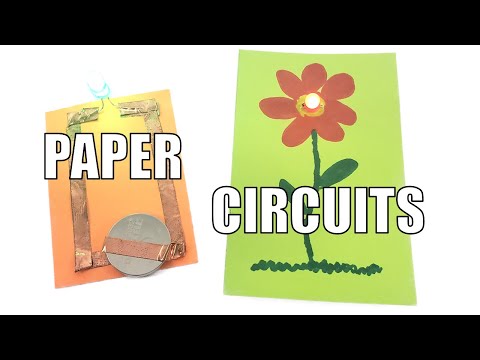
Students fold copper tape into a simple circuit on paper to light an LED, blending illustration with hands-on basic electronics.

A pizza box becomes a working solar oven using foil and plastic wrap, exploring how reflected sunlight can trap and build up heat.

Students learn the fundamentals of block-based programming in Scratch by building a simple animated game from scratch.
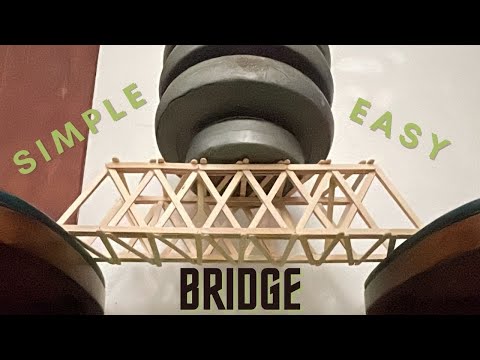
Students design and load-test a small bridge built from popsicle sticks and glue, applying geometry and load distribution to maximize strength.
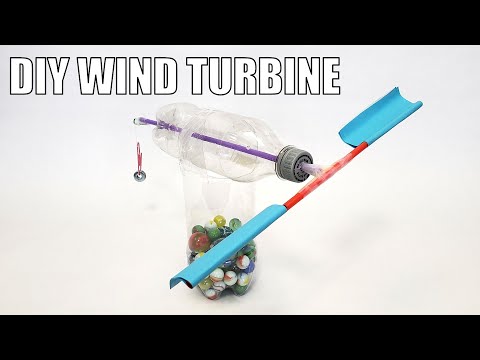
Students build a small model wind turbine with a generator to see renewable energy conversion happen in their own hands.
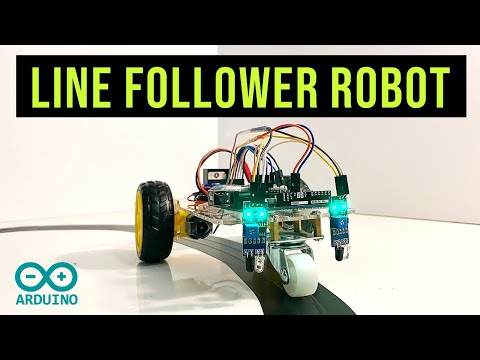
An Arduino-based robot uses infrared sensors to autonomously follow a line, applying feedback control logic in a real physical build.